
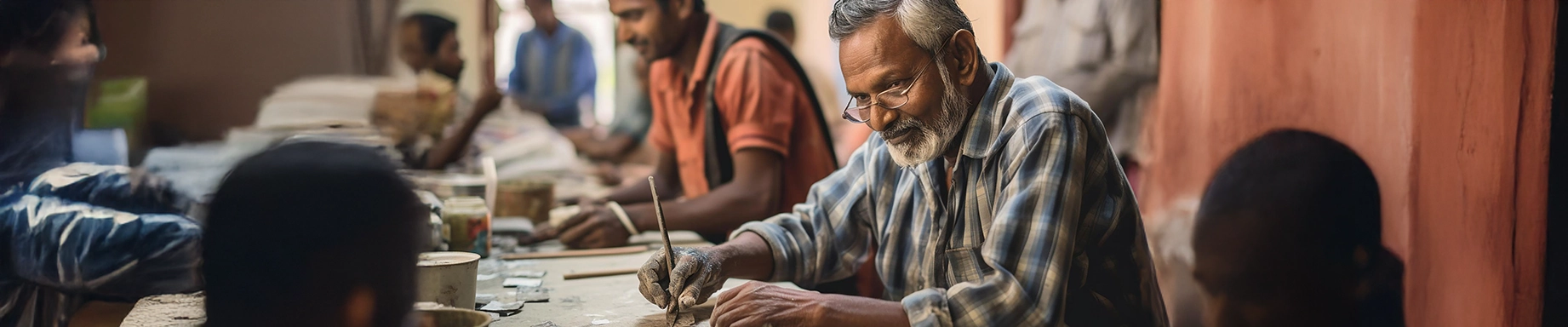
Explaining how fair pay, safe environments, and direct support provide steady income and dignity to artisans.
In today’s marketplace, the word ‘handmade’ is everywhere-but the reality behind it often remains unseen. As the products travel across borders and screens, the lives of the artisans who create them get frequently reduced to anonymity. Ethical crafting, for Khwahiish, starts by bringing back in front the visibility, dignity, and fairness of the people behind the craft.
Fair trade is not a label or a trend; it is a commitment that craftsmanship is valued, not only for its beauty but for what it represents in human effort, skill, and time.
At the heart of ethical crafting lies fair pay. For rural artisans, traditional craft is not a hobby — it is a livelihood shaped by generations of knowledge. However, many artisans have over the years been underpaid to the point that they have had to lower their standards or quit altogether.
Fair trade allows the artisans to earn money based on skills and effort, thus enabling them to take care of their families without losing their heritage. When artisans are paid fairly, craft becomes a source of pride and stability rather than survival. Khwahiish operates in terms of fair prices that aren’t negotiations; rather, it’s based on respect for time, skills, and tradition.
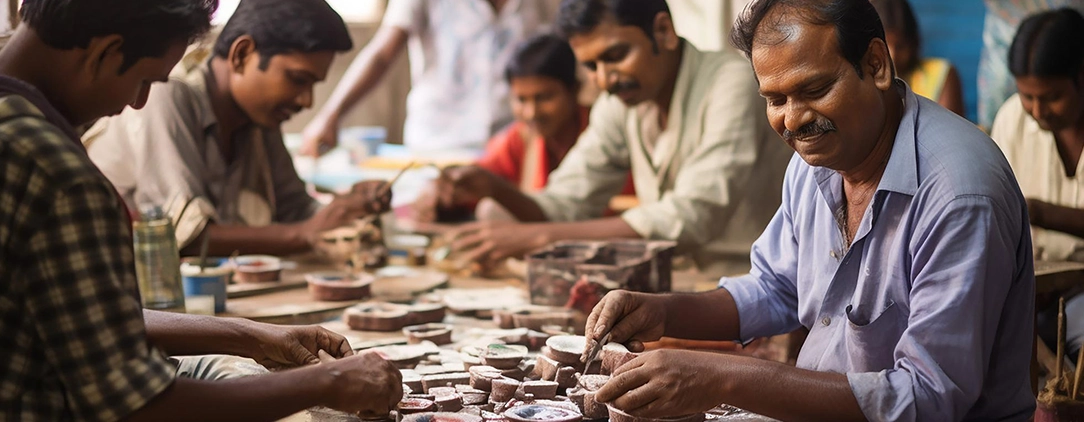
Ethical crafting also means ensuring that artisans work in environments that are safe, humane, and respectful. Many rural crafts are practiced from homes or community workshops, with limited formal protections. Fair trade practices support safer working conditions, access to resources, and long-term well-being. This creates a space for artisans where one can work on perfecting their craft without compromising their health or dignity. Once artisans are treated with respect, creativity automatically flows.
One of the most transformative aspects of fair trade is direct support.The conventional supply chain tends to consist of several layers, meaning the artisans receive very little profit in the end. Ethical solutions such as Khwaiish go straight to the source, promoting transparency every step of the way. As a result of reducing dependency on middlemen, artisans have more ownership over their craft and its value. This direct connection means that artisans’ stories, processes, and identities get expressed in a non-watered-down and non-commodified manner.
Craft traditions can be sustained only when craftsmen earn a steady income. Fair trade helps to create that steadiness in their lives, so that they can think about the future, upgrade their tools, and pass skills on to the next generation.
This steady support prevents the erosion of traditional knowledge and reduces the pressure to migrate or abandon craft for uncertain labour. Ethical crafting, therefore, is not simply a consideration for the present day’s output— it is about safeguarding tomorrow’s heritage.
Perhaps the strongest impact of fair trade is the aspect of dignity. This is because when artisans are able to gain recognition as creators and not as- invisible labor— their work gains meaning beyond commerce. Ethical platforms celebrate artisans by acknowledging their names, journeys, and voices. At Khwaiish, every piece brings with it something beyond function and form- it brings identity. Recognition brings back confidence, pride, and a certain belonging in a world that tends to disregard rural craftsmanship.
Ethical crafting thrives when consumers choose consciously. Each purchase is a vote for fairness, sustainability, and respect. Supporting fair trade is all about supporting people, their livelihoods, cultures, and futures.
When buyers understand where their products come from and who made them, commerce transforms into connection. This is the ecosystem Khwaiish is building — one where creators and admirers are linked through trust and shared values.
Ethical crafting is not about perfection — it is about intention.Fair Trade, at heart, is an upholding of a promise that craft will be respected, that artisans will be valued, and beauty will never come at the cost of dignity. At Khwahiish, ethical crafting means standing with rural communities, preserving living traditions, demonstrating that business can be a compassionate activity. Because when craft is made thoughtfully, it is well-deserving of being supported with a conscience.
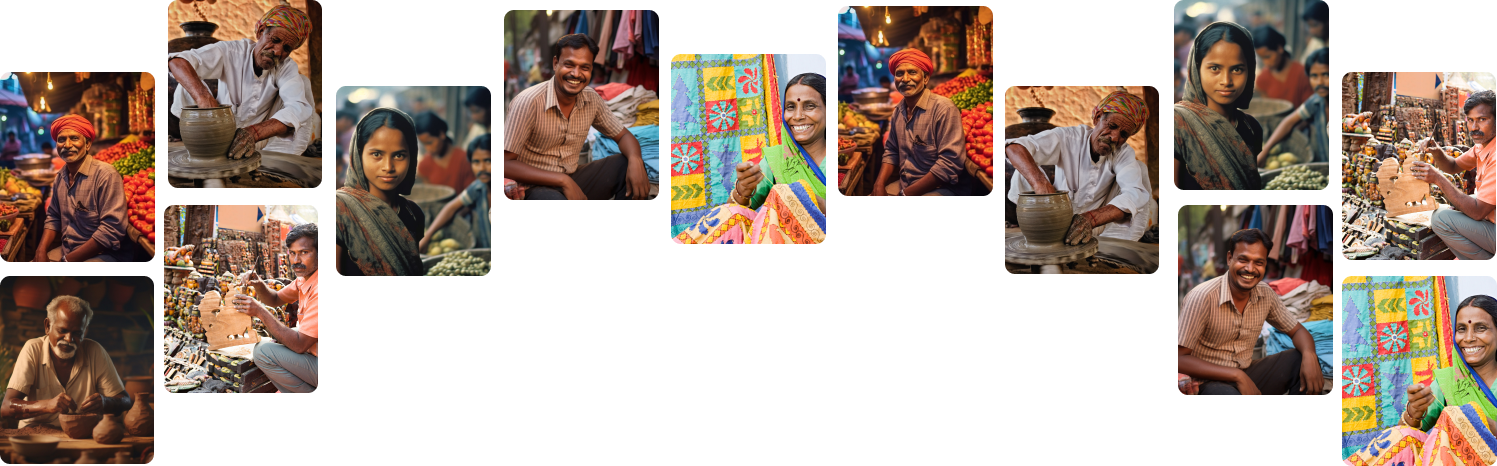
When you support Khwahiish, you’re not just buying handcrafted products — you’re uplifting communities, preserving heritage, and empowering artisans to dream bigger. Whether you’re a conscious shopper, a creative collaborator, or someone who believes in ethical living, there’s a place for you in our journey. Together, we can keep traditions alive and create a future where craftsmanship thrives with dignity.
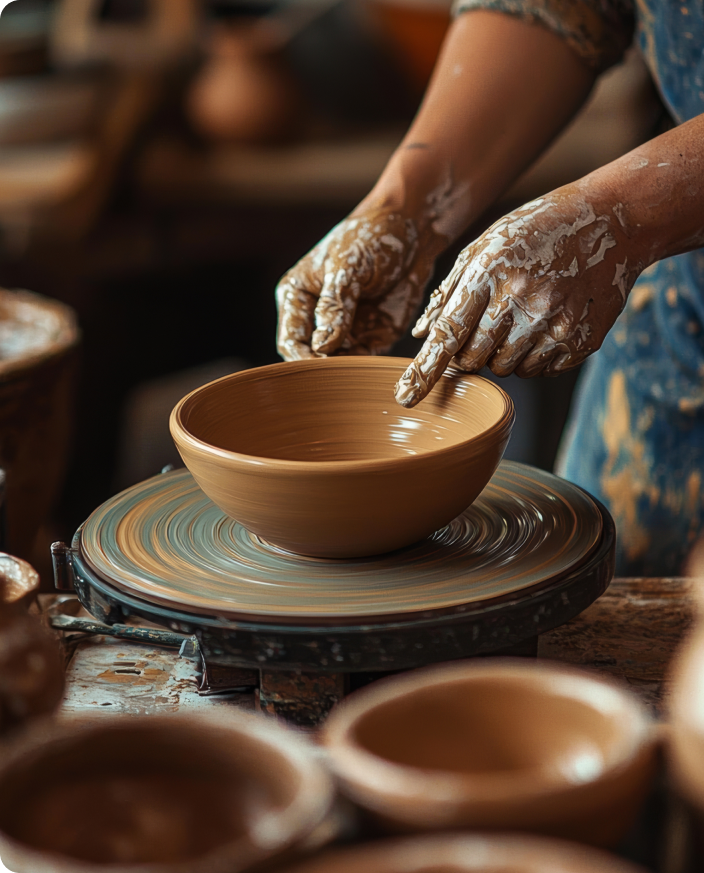

Start exploring the virtual gallery at your own pace.
Start exploring the virtual gallery at your own pace.

Select required number for manual OTP
Please enter the 6-digit verification code sent on +91 9876543210. This code will expire in 10 minutes
Please enter the 6-digit verification code sent on +91 9876543210. This code will expire in 10 minutes