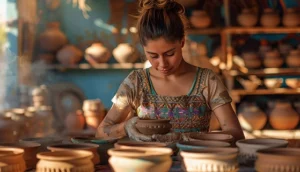
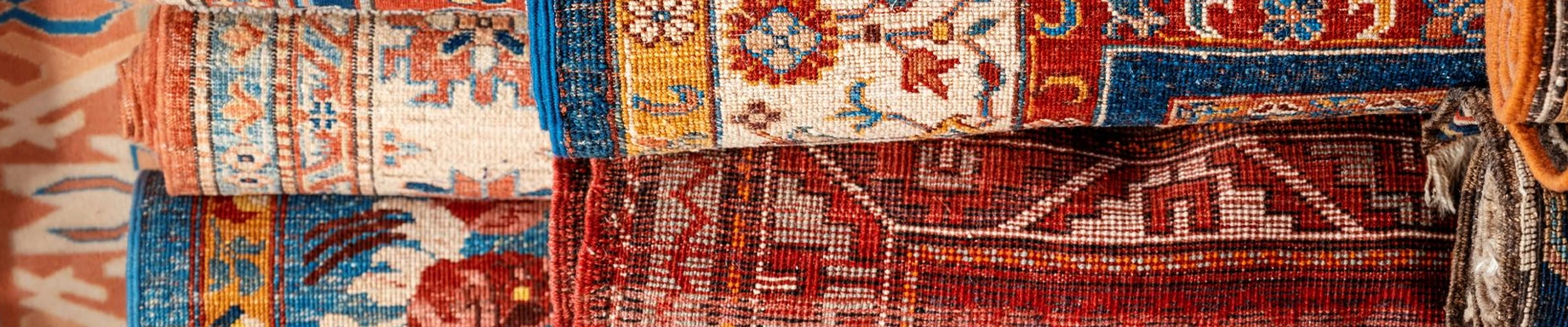
India’s craft traditions are not frozen in history — Passed down from hand to hand, from generation to generation, these forms of art have been preserved not in museums, but in practice, in life, in time. Khwaiish believes that every traditional art form has been the story of continuity – of people who continued to work, no matter what was changing around them. Kalamkari is one such story, but it is only the beginning. There are countless such stories that are carried on and practiced, showcasing India’s timeless art forms.

Originating from Andhra Pradesh and Telangana, Kalamkari literally means “pen work.” This is derived from the Telugu words “kalam” (pen) and “kari” (craft). Each Kalamkari fabric painting follows an intricate and time-intensive process:
The art form was traditionally a medium for narration. Artists depicted illustrations from epics such as the Mahabharata and Ramayana, using fabric as a canvas to educate and inspire communities and societies. What makes Kalamkari timeless is not just its beauty — but its discipline, patience, and narrative depth. Every motif and design carries meaning, while every colour has purpose, and collectively they have stories to tell and inspire.
Traditional Indian art forms were never created for trends. These art forms are an integral part of living – rituals, clothing, architecture, celebrations, and so on. These art forms have existed because:
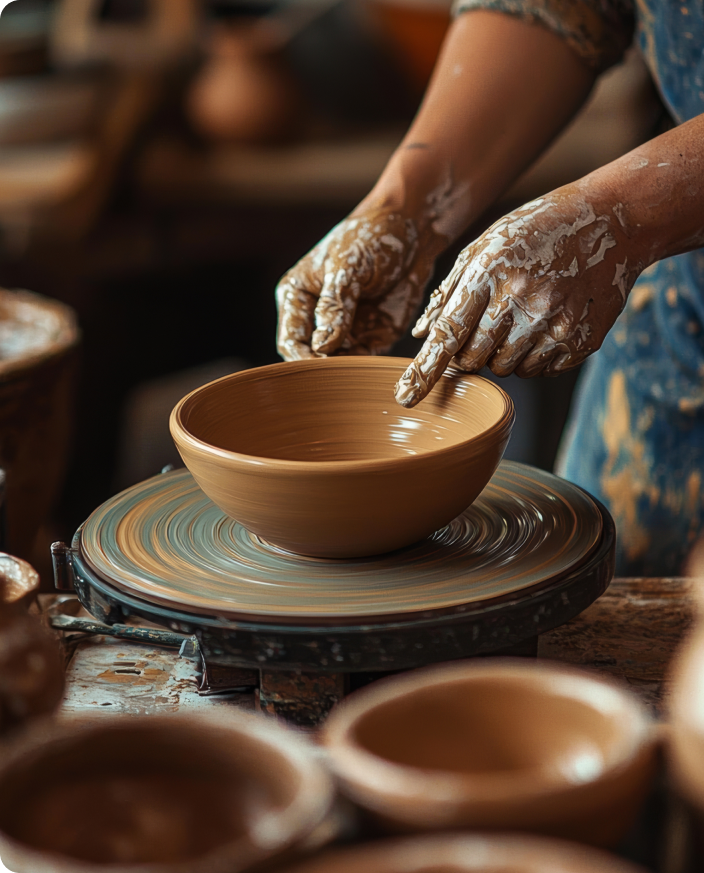
Whether it is a weaver from Kutch, a potter from Rajasthan, or a block printer from Bagru, craft has always been an embodiment of collective memory in some way. It carries an essence of geology, belief systems, climate, and an identity in itself.
Throughout the country, countless art forms continue to thrive quietly, sustained by dedicated hands:
Every craft adapts with time – new patterns, new applications, new audiences – but it always retains the essence in some way. This balance between tradition and evolution is what keeps these art forms alive.
Traditional craft continues to thrive not because it resists change but because it adapts successfully while retaining its integrity. It has survived:
Through it all, artisans have continued to be the guardians of skills, improving methods, teaching new generations, and finding new uses for old skills. What was once made for local communities now travels to global homes — carrying culture, not dilution.
In a rapidly moving, machine-made world, handmade craft offers something rather rare: human connection. The idea is not about keeping the traditional art forms just to feed nostalgia. The idea is about:
Where craft disappears, knowledge disappears with it. Preservation at Khwaiish means creating space — for artisans to continue creating with dignity, visibility, and fair opportunity.
Just as there are Kalamkari and so many other art forms, we find craft in India as a way of life. Every Khwaiish creation carries the patience and perseverance of the process, the wisdom of generations, and the spirit of hands that made it. By choosing handmade, you become a help in ensuring that these art forms continue to evolve, inspire, and endure. Because some stories are not written, they are crafted, worn, and passed on.
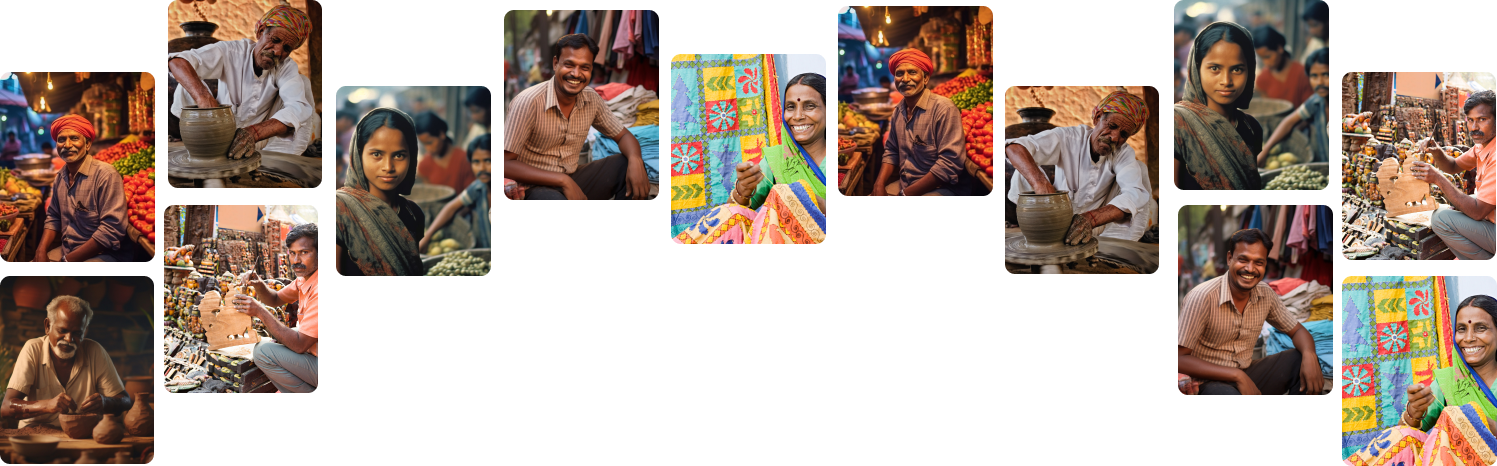
When you support Khwahiish, you’re not just buying handcrafted products — you’re uplifting communities, preserving heritage, and empowering artisans to dream bigger. Whether you’re a conscious shopper, a creative collaborator, or someone who believes in ethical living, there’s a place for you in our journey. Together, we can keep traditions alive and create a future where craftsmanship thrives with dignity.

Start exploring the virtual gallery at your own pace.
Start exploring the virtual gallery at your own pace.

Select required number for manual OTP
Please enter the 6-digit verification code sent on +91 9876543210. This code will expire in 10 minutes
Please enter the 6-digit verification code sent on +91 9876543210. This code will expire in 10 minutes