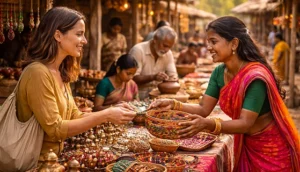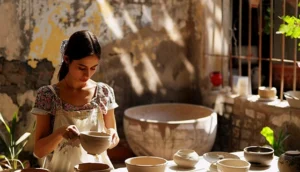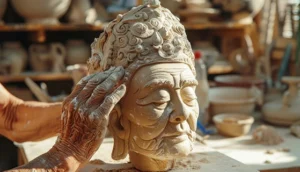
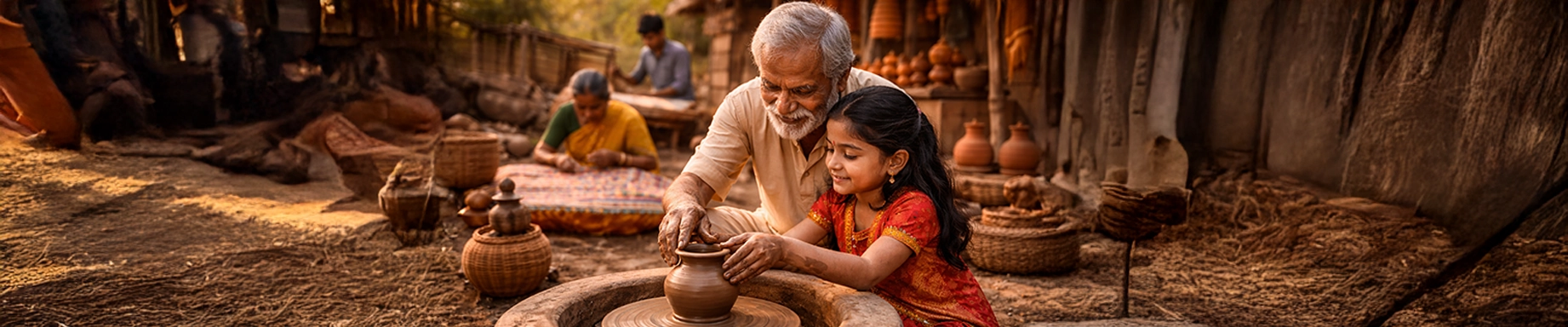
Across India, some of the most valuable knowledge has never been written down. It exists in memory, in motion, in practice – in the beat of a loom, the pressure of a block, the intuitive blending of natural dyes. The traditional skills of crafts are learned not from instruction manuals, but from observation, replication, and trust transmitted from one generation to the next. This unwritten knowledge forms the backbone of India’s craft heritage.
However, in a world driven by the forces of speed, automation, and instant manufacturing, this knowledge is at the risk of being lost.
In today’s world, modern systems are designed for efficiency and scalability, leaving little room for slow and deliberate processes. For many rural artisans, this shift has created immense pressure to adapt, simplify, or abandon traditional methods altogether. Younger generations are often encouraged to find faster and more secure ways of earning a living, moving away from traditional practices that require time and patience.
The loss of traditional practices results in the loss of something much more valuable than skills— they erase cultural memory, regional identity, and community wisdom built over centuries.
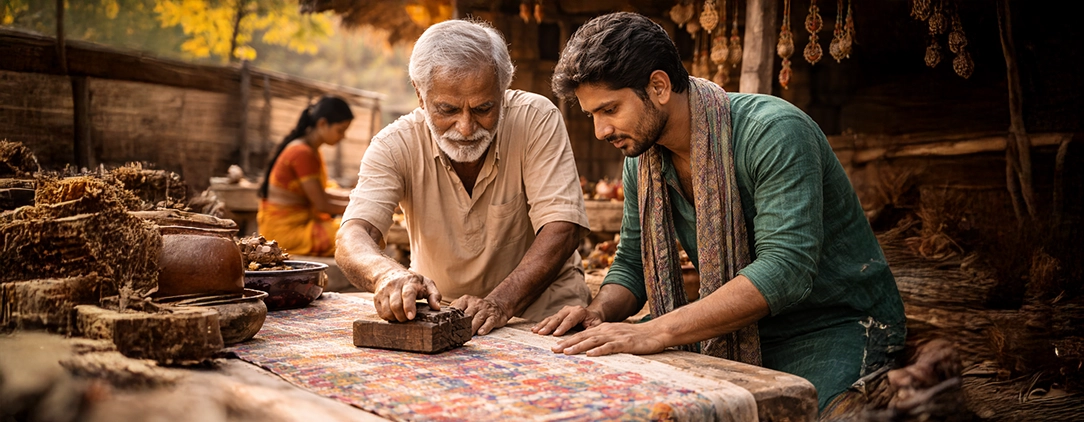
Traditional craft is more than just a decorative practice; it also holds ecological knowledge, social meaning, and sustainable practices. Natural materials, Natural materials, climate-sensitive methods, and zero-waste processes evolved long before sustainability became a global conversation.
Each technique reflects a deep understanding of land, seasons, and resources. To retain this knowledge is to retain alternative ways of living, ways that are rooted in balance, respect, and long-term thinking.
Craft knowledge is not transmitted through an educational structure, but through a lineage. A child learns by observing their parent’s hands, listening to stories during work hours, and practicing movements until they become instinctive. This type of learning is not only about building knowledge, but also about building identity.
When this chain breaks, rebuilding it becomes nearly impossible. Protecting traditional knowledge, therefore, requires supporting the communities that hold it — not extracting techniques without context or credit.
Preservation cannot exist in isolation. Artisans require platforms that prioritize authenticity over trends and substance over speed. Ethical platforms such as Khwahiish are essential in ensuring that traditional knowledge is sustained through the provision of fair support, visibility and long-term opportunities to the artisans.
Storytelling is one of the most effective methods of preservation. When people are aware of the story that goes into the making of a craft, they start to appreciate it in a different way. Storytelling gives objects a meaning. At Khwahiish, the art of storytelling ensures that traditional knowledge is not divorced from the hands that practice it. Storytelling enables ancient knowledge to speak in a new language without losing its soul.
Conserving the unwritten does not mean opposing progress but rather incorporating tradition into the present in a thoughtful manner. Digital platforms, ethical commerce, and conscious consumers can work together to build a space where traditional knowledge flourishes rather than fades. When artisans are provided with a steady income and are treated with dignity, they can take the time to teach the next generation. This continuity ensures that techniques are not rushed or diluted to meet fleeting trends.
The preservation of traditional knowledge is not the sole responsibility of the artisan. It is a collective responsibility that falls on the shoulders of the creators, the platforms, and the consumers. Every deliberate decision, every handmade item that is valued over mass-produced ones, is a step towards preservation. With every decision that we make to choose craft over other options, we are choosing to preserve knowledge that cannot be replaced once it is lost.
The survival of traditional knowledge is not about archiving it but about practicing it, respecting it, and transmitting it. In today’s fast-paced world, the decision to choose slow craft is an act of care. For Khwahiish, keeping the unwritten alive means standing with the artisans, respecting their knowledge, and making sure that the knowledge that is in their hands is allowed to live.
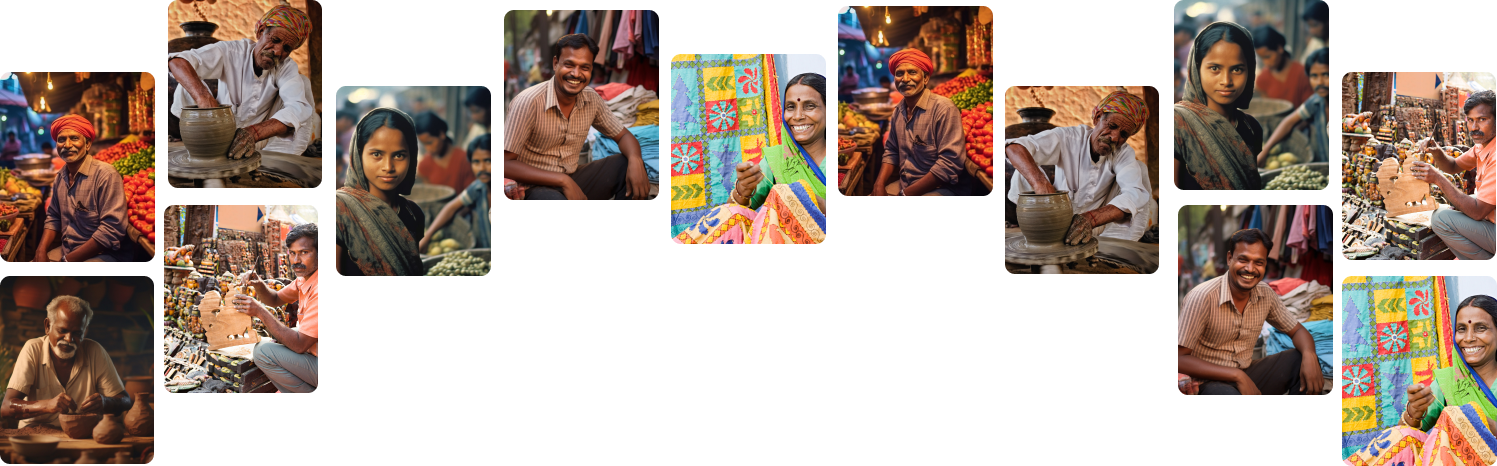
When you support Khwahiish, you’re not just buying handcrafted products — you’re uplifting communities, preserving heritage, and empowering artisans to dream bigger. Whether you’re a conscious shopper, a creative collaborator, or someone who believes in ethical living, there’s a place for you in our journey. Together, we can keep traditions alive and create a future where craftsmanship thrives with dignity.
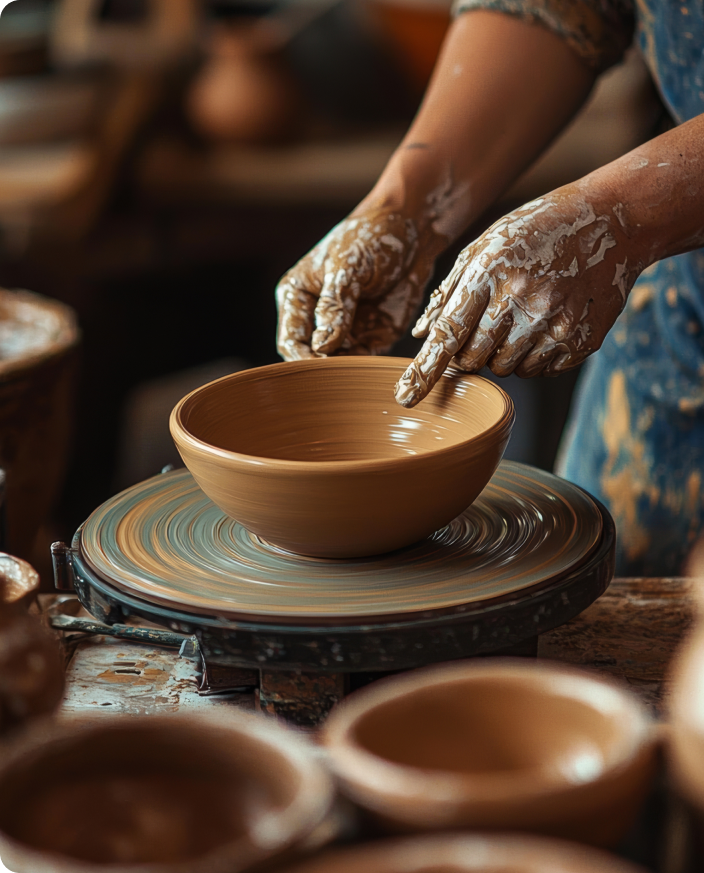

Start exploring the virtual gallery at your own pace.
Start exploring the virtual gallery at your own pace.

Select required number for manual OTP
Please enter the 6-digit verification code sent on +91 9876543210. This code will expire in 10 minutes
Please enter the 6-digit verification code sent on +91 9876543210. This code will expire in 10 minutes