January 22, 2026

More Than a Marketplace: The Khwahiish Movement Explained

An “Our Essence” deep dive explaining why Khwahiish is a community-driven platform rather than just a shop. Detailing the “purpose-led initiatives” that create meaningful bonds between makers and admirers.

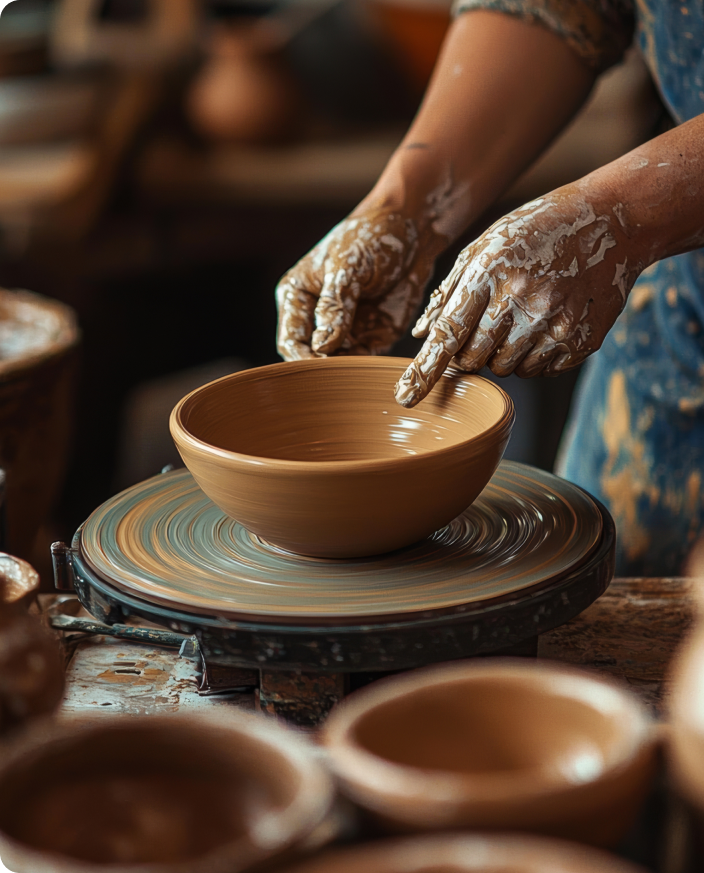
Living in a world driven by speed and scale, handmade often becomes an afterthought. Products travel far and wide, reaching countless homes, but rarely does one acknowledge the hands that shape them,the lives behind each creation, the tradition, and emotions behind each creation. Khwaiish was created to change that narrative. Born from the belief that craft is more than just commercial value, Khwaiish honours the human stories which every handmade creation carries. Much more than a place to shop, this is a purpose-driven movement rooted in people. preservation, and conscious commerce wherein creators are visible, traditions are respected, and artistry is never rushed. Every piece carries generations of heritage, resilience, and dreams shaped by humble hands, supported through ethical practices, fair value, and meaningful connections between creators and admirers.
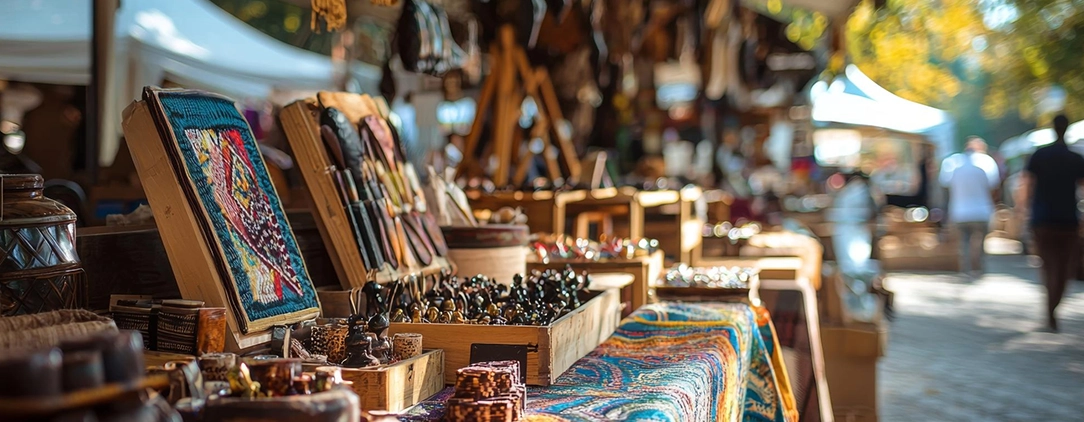
Beyond buying and selling

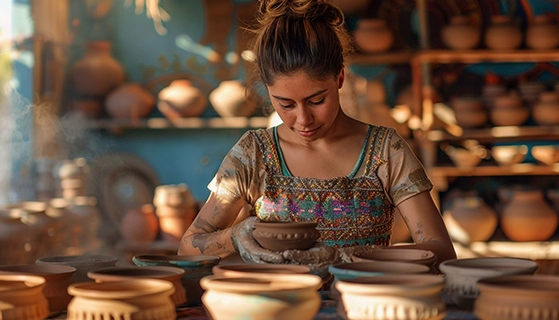
A marketplace focuses on transactions while a movement focuses on relationships. At Khwaiish, every item begins long before it reaches a household. It begins in a village, in workshops, in communal spaces – created by talented hands, by knowledge passed down and by experiences. We exist to ensure that:

  • Artisans are seen as creators, not suppliers
  • Craft is valued beyond trends and seasons
  • Stories travel with the product, not get left behind

Each purchase is an act of participation and not just consumption.

A Community- focussed platform

Khwaiish is people-centric and works directly with artisans from rural India and give them space to:

  • Share their craft and cultural knowledge
  • Receive fair compensation and recognition
  • Sustain their livelihoods with dignity

This approach keeps the margins clear and allows us to amplify artisan voices rather than overwrite them. Their names, journeys, and traditions remain central, because the craft cannot be separated from its creator.

Purpose-Led, not product-led

What sets Khwaiish apart is intention. Our purpose-led initiatives focus on:

  • Fair and Transparent Trading Practices that respect Labour
  • Eco-friendly crafting practices guided by responsible materials and mindful processes
  • Skill Continuity, ensuring traditional techniques are handed down
  • Cultural preservation through active support and not just passive admiration

Each of these initiatives aims to create lasting long-term impact. Therefore, strengthening communities instead of extracting value from them.

Creating meaningful bonds

When you choose Khwaiish, you’re not really choosing an object — you’re entering into a relationship. Between:

  • The maker and the admirer
  • Rural roots and global homes
  • Tradition and modern living

These connections transform craftsmanship into something deeply personal. The item ceases to be something more than decor and utility- it becomes a reminder that symbolizes human effort, patience, and shared values.

From villages to home worldwide

Khwaiish helps rural artistry to flourish and rise beyond geographical boundaries, while staying rooted in identity. What we carry forward is not just craft, it is the pride of the maker, the integrity of tradition and the resilience of communities. By placing handmade in spaces that appreciate its depth and value, we help in ensuring that these art forms continue to live, evolve, and inspire.

Why this movement matters

Supporting handmade is not just nostalgia, it is about making a conscious choice in the present. Each time you engage with Khwaiish, you make the following difference:

  • Preserve traditional crafts and craftsmanship
  • Ensure sustainable rural livelihoods
  • Celebrate cultural diversity with respect
  • Create a future where creativity is valued fairly

This is how movement grows through shared beliefs and collective action, creating a sustainable space supporting both the artisans and the people interested.

The Khawaiish promise

We promise to remain rooted in craft and rising in spirit — honouring the hands that create, the cultures they represent, and the communities they sustain. Khwaiish is a home for stories, memories, and the quiet beauty of handmade craft. A space where creation is not rushed, creators are not invisible, and every piece carries meaning. Because Khwaiish is more than a marketplace. It is a movement — and you are part of it.
January 22, 2026

Kalamkari and Beyond: A Journey Through India’s Timeless Art Forms

Educating readers on how these arts have been “carried by time” and preserved across generations.

India’s craft traditions are not frozen in history —  Passed down from hand to hand, from generation to generation, these forms of art have been preserved not in museums, but in practice, in life, in time. Khwaiish believes that every traditional art form has been the story of continuity – of people who continued to work, no matter what was changing around them. Kalamkari is one such story, but it is only the beginning. There are countless such stories that are carried on and practiced, showcasing India’s timeless art forms.

Kalamkari: Where stories come alive as hand-painted art

Originating from Andhra Pradesh and Telangana, Kalamkari literally means “pen work.” This is derived from the Telugu words “kalam” (pen) and “kari” (craft). Each Kalamkari fabric painting follows an intricate and time-intensive process:

  • Natural dyes extracted from plant materials and minerals
  • Hand-drawn designs and motifs done with a bamboo or date palm pen
  • Various washing, dyeing, and detailing processes

The art form was traditionally a medium for narration. Artists depicted illustrations from epics such as the Mahabharata and Ramayana,  using fabric as a canvas to educate and inspire communities and societies. What makes Kalamkari timeless is not just its beauty — but its discipline, patience, and narrative depth. Every motif and design carries meaning, while every colour has purpose, and collectively they have stories to tell and inspire.

Craft as memory, not just design

Traditional Indian art forms were never created for trends. These art forms are an integral part of living – rituals, clothing, architecture, celebrations, and so on. These art forms have existed because:

  • The knowledge was transmitted orally and visually.
  • Skills were learned through observation and practice.
  • Creation was rooted in community, not commerce.

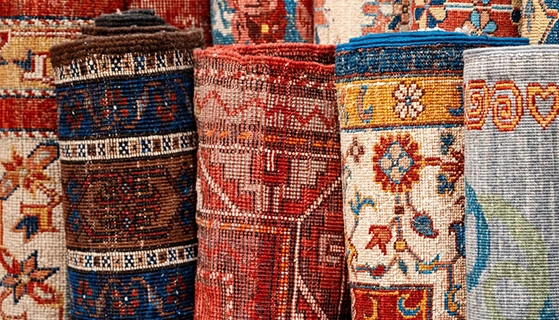
Whether it is a weaver from Kutch, a potter from Rajasthan, or a block printer from Bagru, craft has always been an embodiment of collective memory in some way. It carries an essence of geology, belief systems, climate, and an identity in itself.

Beyond Kalamkari: India’s living craft traditions

Throughout the country, countless art forms continue to thrive quietly, sustained by dedicated hands:

  • Block Printing – Where carved wooden blocks imprint rhythm & repetition onto fabric
  • Terracotta & Pottery- Terracotta & Pottery – Modeling the earth to create objects of everyday use & rituals
  • Handloom Weaving- Threads interwoven with regional identity & skilled craftsmanship
  • Metal & Wood Craft – Functional artistry rooted in tradition

Every craft adapts with time – new patterns, new applications, new audiences – but it always retains the essence in some way. This balance between tradition and evolution is what keeps these art forms alive.

How these arts have been carried through time

Traditional craft continues to thrive not because it resists change but because it adapts successfully while retaining its integrity. It has survived:

  • Colonial influence
  • Industrialisation
  • Mass production
  • Changes in consumer behavior

Through it all, artisans have continued to be the guardians of skills, improving methods, teaching new generations, and finding new uses for old skills.  What was once made for local communities now travels to global homes — carrying culture, not dilution.

Why preservation matters today

In a rapidly moving, machine-made world, handmade craft offers something rather rare: human connection. The idea is not about keeping the traditional art forms just to feed nostalgia. The idea is about:

  • Sustaining livelihoods
  • Valuing slow, thoughtful creation
  • Respecting cultural diversity
  • Safeguarding skills that are beyond the capability of machines to perform.

Where craft disappears, knowledge disappears with it. Preservation at Khwaiish means creating space — for artisans to continue creating with dignity, visibility, and fair opportunity.

Just as there are Kalamkari and so many other art forms, we find craft in India as a way of life. Every Khwaiish creation carries the patience and perseverance of the process, the wisdom of generations, and the spirit of hands that made it. By choosing handmade, you become a help in ensuring that these art forms continue to evolve, inspire, and endure. Because some stories are not written, they are crafted, worn, and passed on.

Search for products (0)

Back to Top
Product has been added to your cart